
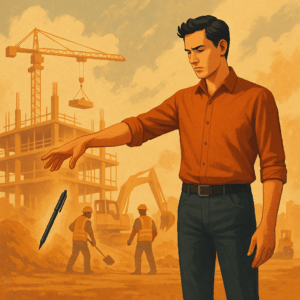
“Put down the pen.” It’s not just a phrase. It’s a milestone. In the design-build world, this moment marks the end of design and the beginning of construction. It’s a decision point—one that every project, regardless of delivery method, eventually must face.
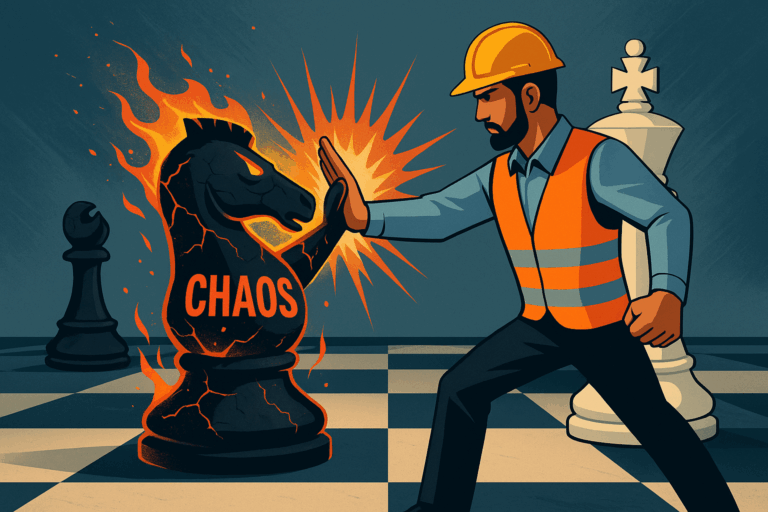
Projects don’t fall apart because of one big decision. They crumble under the weight of a thousand little changes made too late.
What Does “Put Down the Pen” Really Mean?
In design-build, where design and construction overlap, “put down the pen” is a signal to stop making changes. It means design has progressed far enough that continued tweaking will only cause disruption. Procurement, permits, and mobilization can’t wait any longer. It’s time to build.
But this principle isn’t exclusive to design-build. The lesson applies to every project. Because at some point, change becomes more harmful than helpful.
What Happens When You Don’t Stop Designing?
When you keep designing during construction, here’s what happens:
- The contractor orders materials based on outdated specs.
- Submittals need to be redone and reapproved.
- Work already completed has to be demolished and rebuilt.
- Multiple trades are impacted—and productivity crashes.
- The schedule slips and costs spike.
In one of our projects, a seemingly simple change to follow updated internal standards during construction caused weeks of delay. Submittals were rejected, equipment reordered, permits refiled—it triggered a chain reaction that burned time and trust. The change should have been caught earlier. But it wasn’t. And the chaos that followed was entirely avoidable.
Why Design-Bid-Build Needs a Freeze Too
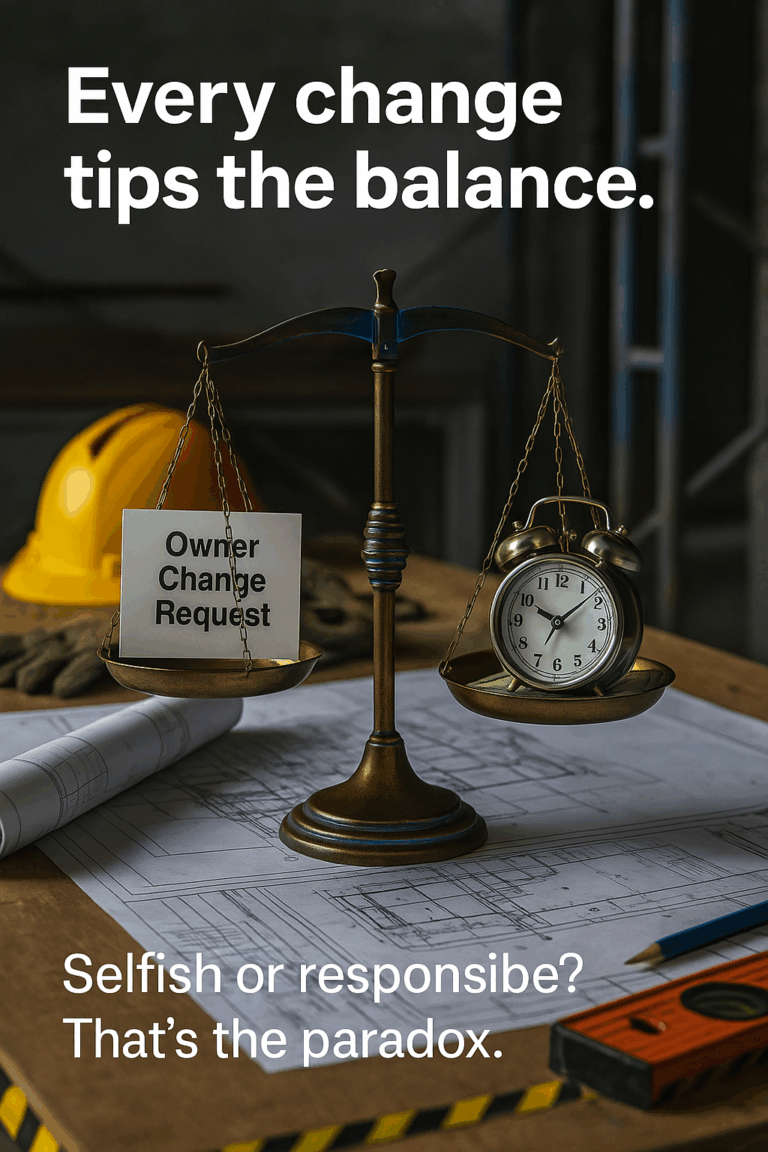
Even in traditional design-bid-build projects—where the design is supposed to be “complete” at bid time—late-stage changes from owners or design teams happen all the time. Many come through informal channels, like submittal comments or meeting suggestions. But these “small tweaks” almost always result in major consequences.
Every project should establish a formal design freeze. Not to block progress—but to protect it. A milestone should be communicated to all stakeholders: after this point, any design change must go through formal evaluation for schedule and cost impact. And some may be deferred to a future phase.
When to Freeze: Timing the Decision
The right moment to “put down the pen” depends on your delivery method and phase. But here are common checkpoints:
- Design-Build: After design development and before major procurement
- Design-Bid-Build: After submittal approval and before long-lead items are ordered
The key isn’t the date—it’s the discipline. A freeze point gives clarity and lets the construction team work without constantly shifting targets.
Construction Managers Must Lead the Way
As Construction Managers, we operate in the gray areas—between ideal designs and real-world job sites. When a late design change is proposed, it’s your job to speak up:
- “That change delays the slab pour.”
- “We’ll need to reorder equipment and rewire panels.”
- “Three trades are already working off the previous plan—we’ll lose momentum.”
This isn’t being difficult—it’s protecting the project. You’re maintaining order when everyone else wants to tweak things just a little more. That leadership matters.
“We’re not debating design anymore. The decision is made. Now we execute.”
One Change = Ten Ripples
Let’s say a pump spec changes mid-construction. That one change triggers:
- New submittals
- Structural modifications
- Pipe layout revisions
- Electrical redesign
- Control logic updates
- Equipment lead time
- O&M manual revisions
- Training reschedules
- Start-up plan changes
- Commissioning delay
That’s ten downstream impacts—just from one decision. Now imagine five of those changes happening across three systems.
Progress Beats Perfection
Many teams chase the perfect solution. But perfection is a mirage. The longer you chase it, the more damage you do to the schedule, to the budget, and to the team’s energy. In construction, progress will always beat perfection.
The steel doesn’t care about your feelings. The schedule doesn’t care about your creativity. The job runs on commitment, coordination, and clarity.
When the time comes—put down the pen. Let the team build.
Key Takeaways
- “Put down the pen” is a design-build concept that applies to all projects.
- Late changes cause chaos—freeze the design before major procurement or construction begins.
- Construction Managers must be the ones who speak up and hold the line.
- Each change has a ripple effect—don’t underestimate the cost of indecision.
- Success comes from execution, not endless revision.
Need help managing chaos on your job site?
Explore more lessons like this at chaosinconstruction.com or reach out for consulting and collaboration.
Discover more from Chaos in Construction
Subscribe to get the latest posts sent to your email.